
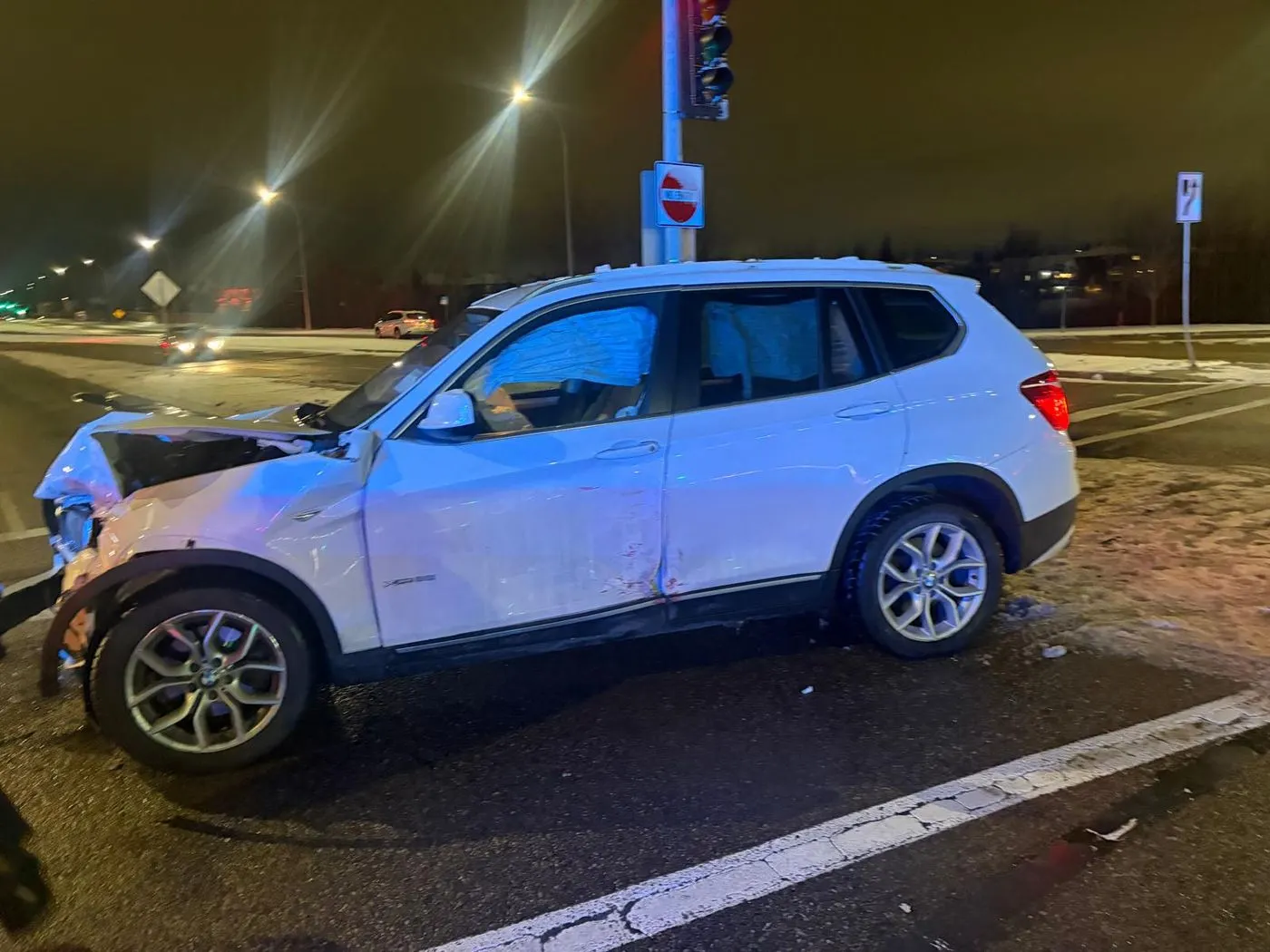
Sell a damaged car when the repair cost is more than about half of what the car would be worth after repair, or when the insurer has written it off. Repair it when the fix is affordable, the car is otherwise solid, and you plan to keep driving it. The half-value rule is a rule of thumb, not a law, but it gets most owners to the right answer quickly.
This guide gives you a 5-step way to decide, explains how a rebuilt status in Alberta affects value, walks through 2 worked examples, and lists the situations where repairing clearly wins and where selling clearly wins.
The 5-Step Decision
Use these 5 steps to compare repairing with selling.
Step 1: Get a written repair estimate
Get a written estimate from a body shop for collision or hail damage, or from a mechanic for engine and transmission problems. Ask what else might show up once the work starts. Hidden damage often adds to collision repairs.
Step 2: Find the car's value after repair
Look up what the car would sell for once repaired. Pricing guides such as Canadian Black Book and listings for similar vehicles on AutoTrader and Kijiji give a range. Be honest about kilometres and condition.
Step 3: Subtract the accident history discount
A repaired car with an accident on its record sells for less than an identical car with a clean history. Buyers check vehicle history reports from services such as CARFAX Canada. If the car was declared salvage and rebuilt, the discount is larger.
Step 4: Calculate what you keep if you repair
Value after repair, minus the accident discount, minus the repair cost, equals what repairing is worth to you.
Step 5: Compare with a cash offer for the car as it sits
Get a cash offer for the damaged car. If the offer is close to or higher than Step 4, selling saves you the time, risk, and hassle of repairs.
Worked Examples
These examples use round numbers to show the method. They are illustrative, and your numbers will differ.
Example 1: Hail damage on an older sedan
- Value after repair: $6,000
- Accident history discount: $500
- Repair estimate: $3,800
- What repairing is worth: $6,000 − $500 − $3,800 = $1,700
- Cash offer as is: $1,800
Result: sell. The cash offer beats the repair math, and you avoid weeks without a car.
Example 2: Fender damage on a newer SUV
- Value after repair: $22,000
- Accident history discount: $1,500
- Repair estimate: $3,000
- What repairing is worth: $22,000 − $1,500 − $3,000 = $17,500
- Cash offer as is: $14,000
Result: repair. The car is worth far more fixed, and the repair is small next to its value.
How Alberta's Salvage Rules Change the Math
In Alberta, a vehicle written off by an insurer is recorded as salvage or non-repairable, and that status follows the vehicle.
- Salvage: the vehicle can return to the road after repairs and a Salvage Vehicle Inspection by a licensed technician. The inspection can take up to 4 hours. Once it passes, the status changes to rebuilt, and that status stays with the vehicle for life.
- Non-repairable: the vehicle can never be registered again. It can only be sold for parts or scrap.
A rebuilt status lowers resale value, since many buyers avoid rebuilt vehicles and some lenders and insurers treat them differently. Factor this into Step 3. For non-repairable vehicles, repair is not an option for road use, so selling is the only route.
See our guide on scrap vs. salvage cars for more on these statuses.
When Repairing Usually Wins
Repairing usually wins in 5 situations:
- The car is newer with low kilometres.
- The damage is cosmetic, such as a dent or scratch, or a small mechanical fix.
- The repair is under about a quarter of the car's value.
- The car has no other major problems coming up.
- You plan to keep the car for years.
When Selling Usually Wins
Selling usually wins in 6 situations:
- The repair costs more than half the car's repaired value.
- The insurer wrote the car off.
- The car is old, high-kilometre, or rusting.
- Other big repairs are due soon, such as brakes, tires, and a timing belt.
- Flood or fire damage is involved, since electrical problems often keep appearing.
- You have already replaced the car and it is sitting unused.
The Repair or Sell Damaged Car Checklist
Before you decide, answer these 6 questions:
- Do I have a written repair estimate?
- What is the car worth after repair, minus an accident discount?
- Has the insurer written the car off, and with which status?
- What other repairs are due in the next year?
- Do I need this car, or have I already replaced it?
- What is a firm cash offer for the car as it sits?
If questions 2 and 6 give close numbers, sell. If question 2 is far higher and the repair is small, repair. The repair or sell damaged car decision is simplest when every number is written down.
Hidden Costs of Repairing
Repairs carry 4 costs beyond the estimate:
- Time without a car, including rental costs if insurance does not cover them.
- Supplements, when the shop finds more damage after taking the car apart.
- Future problems from damage that was not fully fixed.
- Lower resale value from the accident record.
Hidden Costs of Waiting
Leaving a damaged car parked while you decide costs money too. Insurance and registration keep running, rust spreads through damaged areas, and a car that sits through winter loses more value. Decide within a few weeks if you can.
Related reading: Sherwood Park cash for cars, all services, cash for cars Edmonton, and all car selling guides.